





To Buy Revia Online Visit Our Pharmacy ↓
 Understanding How Revia Works: an In-depth Guide
What Is Revia and Its Primary Use?
Revia, generically known as naltrexone, is an FDA-approved medication primarily prescribed to help individuals combat opioid dependency. Unlike some treatments, Revia works by blocking the euphoric and sedative effects of opioids, essentially preventing the high that users seek. This intervention encourages recovery by reducing the reward response associated with opioid use, making it easier for patients to abstain.
Revia’s effectiveness extends to treating alcohol dependence as well. By binding to opioid receptors in the brain, Revia diminishes cravings and the pleasure derived from alcohol consumption. This dual functionality makes it a versatile tool in addiction treatment, catering to different substance dependencies.
Both healthcare providers and patients often appreciate Revia for its ability to assist in long-term recovery plans. When incorporated with counseling and support programs, Revia enhances the chances of achieving and maintaining sobriety, offering hope and a foundation for a healthier lifestyle.
| Key Points | Details |
|---|---|
| Generic Name | Naltrexone |
| Primary Use | Opioid Dependency |
| Secondary Use | Alcohol Dependence |
The Science Behind Revia's Mechanism
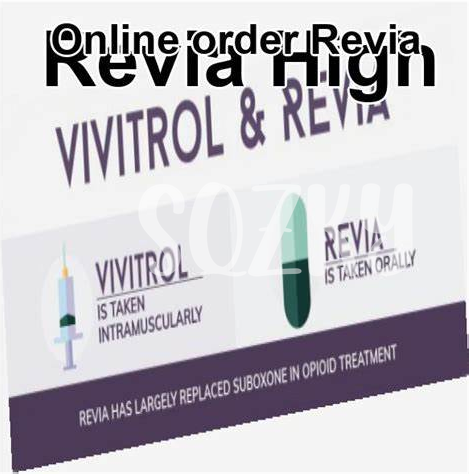
Revia, also known by its generic name naltrexone, operates by binding to opioid receptors in the brain, effectively blocking the euphoric and sedative effects of opioid drugs and alcohol. This receptor blockade diminishes the rewarding feelings associated with substance use, making it a critical tool for recovery. When Revia attaches to the receptors, it prevents the activation of neural pathways that would typically reinforce addictive behaviors.
The science behind Revia's mechanism also involves altering the brain's chemical balance. By modulating neurotransmitter levels, particularly dopamine, Revia reduces cravings and mitigates withdrawal symptoms. This pharmacological action helps patients maintain long-term abstinence, allowing for a more sustainable recovery process. Understanding this complex interplay between receptors and neurotransmitters highlights why Revia is an impactful treatment for both opioid dependence and alcoholism.
Benefits of Revia for Opioid Dependence
Revia offers a powerful tool in the battle against opioid dependence by blocking the euphoric effects of opioids, thereby reducing cravings and the likelihood of relapse. Its active ingredient, naltrexone, binds to opioid receptors in the brain, preventing users from experiencing the high that typically reinforces addiction.
By disrupting the reward cycle that perpetuates opioid use, Revia helps individuals maintain their sobriety and focus on their recovery journey. This medication is often combined with counseling and support programs, providing a comprehensive approach to overcoming opioid dependence.
The Role of Revia in Alcoholism Treatment

Revia, a form of naltrexone, is a FDA-approved medication utilized in treating alcoholism by inhibiting the euphoric effects of alcohol consumption. By binding to opioid receptors in the brain, Revia prevents the release of dopamine when one drinks alcohol, reducing the cravings and diminishing the rewarding effects that encourage continued drinking. This helps individuals maintain sobriety and decrease their dependency on alcohol.
One of the key benefits of using Revia for alcoholism treatment is its non-addictive nature, making it a suitable long-term option for those seeking to rebuild their lives free from alcohol. Coupled with behavioral therapies and support systems, Revia has shown to significantly improve abstinence rates among individuals coping with alcohol use disorder. This multifaceted approach amplifies the chances of successful recovery.
Though generally considered safe, Revia may have side effects such as nausea, headaches, and dizziness, which require monitoring by health professionals to ensure patient safety. Moreover, a comprehensive evaluation is crucial before starting Revia, as it may interact with other medications or pre-existing conditions. Despite these considerations, Revia remains a valuable tool in the fight against alcoholism, offering hope and a path to recovery for many.
Potential Side Effects and Precautions of Revia
When considering using Revia, it's important to be mindful of potential side effects. Some common side effects include nausea, headaches, dizziness, and fatigue, which may diminish as your body adjusts to the medication. In rare cases, more severe reactions like liver toxicity can occur, especially at higher doses. Regular liver function tests are recommended to monitor for any adverse effects on the liver.
Before starting Revia, make sure to discuss your medical history with your healthcare provider, particularly if you have liver disease, kidney problems, or are pregnant. It's also crucial to disclose all other medications you're taking, as Revia can interact with certain drugs, potentially altering their effectiveness.
Taking these precautions seriously can help ensure a safe and effective experience with Revia. By working closely with your healthcare provider and staying informed, you can better manage any risks and enhance the chances for a successful outcome.
| Potential Side Effects | Precautions | |------------------------------|------------------------------| | Nausea | Regular liver function tests | | Headaches | Discuss medical history | | Dizziness | Disclose all medications | | Fatigue | Monitor for liver toxicity |
Success Stories: Real-life Impact of Revia
John, a 45-year-old from Ohio, struggled with opioid addiction for over a decade. After multiple failed attempts at recovery, he was introduced to Revia. Within months, John noticed a significant reduction in cravings, enabling him to focus on rebuilding his life. Similarly, Maria, a young professional battling alcohol dependency, found new hope with Revia. The medication not only helped reduce her urge to drink but also allowed her to engage more positively in social situations.
Testimonials like John's and Maria's highlight Revia's potential to transform lives. For these individuals, Revia was more than just a medication; it was a turning point toward a brighter, healthier future. Their stories exemplify the tangible impact of Revia in overcoming addiction, offering a beacon of hope to others facing similar challenges.