





To Buy Prednisone Online Visit Our Pharmacy ↓
 Prednisone and Weight Gain: Myths Vs. Facts
Understanding Prednisone: What It Actually Does
Prednisone, a synthetic glucocorticoid, acts as a powerful anti-inflammatory agent, often found in your healthcare provider's script. This medication works by mimicking cortisol, a hormone naturally produced by the adrenal glands. By doing so, it effectively suppresses the immune system, reducing inflammation and alleviating symptoms of various conditions such as asthma, arthritis, and lupus.
Despite its therapeutic benefits, prednisone is not without its challenges. As a comp medication, it can affect various bodily systems, manifested through side effects like increased appetite and fluid retention. These could lead to weight gain, a concern frequently voiced by patients. To optimize the outcome and minimize potential issues, following the sig on your prescription is crucial. Table 1 below provides a concise overview of prednisone's core functions:
| Function | Description |
|---|---|
| Anti-Inflammatory | Reduces swelling and pain |
| Immunosuppressant | Suppresses immune response |
| Metabolic Effects | Influences fat, protein, and carbohydrate metabolism |
The Science Behind Prednisone and Weight Gain

Prednisone is a corticosteroid medication often used to reduce inflammation, but it comes with side effects, including the potential for weight gain. The mechanism involves complex changes in your body's metabolism. Prednisone affects the way your body processes carbohydrates, fats, and proteins, which can increase appetite and lead to fluid retention. This isn't just a script problem; it's a significant physiological change happening stat as you adhere to the prescribed sig. The compounded effects might feel like a pharm party in your body, with fluid retention and altered fat distribution being the main culprits. Understanding these processes can help you manage them effectively.
Common Myths about Prednisone and Obesity
Prednisone often gets a bad rap for causing obesity, perpetuated by a few common myths. One prevalent myth is that anyone on a prednisone script inevitably gains a significant amount of weight. While it's true that prednisone can lead to weight gain due to increased appetite and fluid retention, not everyone will experience dramatic changes. Another myth is that the weight gain is primarily from fat accumulation. In reality, much of the initial gain is due to water retention, often resolved when following the script sig strictly. Lastly, some believe that all weight gain is permanent, which isn't the case with proper diet and lifestyle adjustments.
Practical Tips to Manage Weight on Prednisone
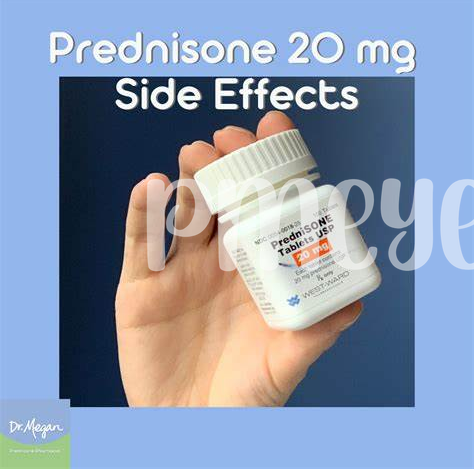
Navigating prednisone use without tipping the scales often feels like a delicate balance. The secret lies in understanding its effect on appetite and retaining fluids, which tends to nudge the needle upward. Embracing regular physical activity isn't just beneficial; it's essential. Consider it your "Rx" to mitigate those pudgy side effects. Even modest steps—like a brisk walk or light home exercises—help in keeping weight gain at bay.
On the nutritional front, sensible tweaks collaborate harmoniously. Opt for low-sodium foods to counteract fluid retention, akin to a nifty "Sig" in crafting an effective dietary script. Combine this with portion control, and you're on track for managing those extra pounds effectively.
Dietary Adjustments While Taking Prednisone
Navigating through the world of dietary adjustments while taking prednisone can feel like a journey through "Pharm Land," where every decision impacts your health. When on this medication, your "Sig" or directions should include focusing heavily on a balanced diet rich in potassium, calcium, and vitamin D to counteract prednisone's side effects. These nutrients support bone health and help manage fluid retention, which often comes with "happy pills" like prednisone.
| Nutrient | Food Sources |
|---|---|
| Potassium | Bananas, sweet potatoes, spinach |
| Calcium | Dairy products, almonds, broccoli |
| Vitamin D | Fatty fish, fortified orange juice, sunlight exposure |
Reducing sodium intake is crucial to avoid the notorious "hangover" of water retention and weight gain. Meals that rely less on processed foods can significantly mitigate this issue. Keep track of your food intake, ensuring it doesn’t lead to cravings that mimic the ups and downs of a "Rainbow Pills" regimen.
Combining these dietary changes with regular physical activity can create a synergy that keeps unwanted weight at bay. Remember, it's important to follow your doctor's "Script," but with these proactive steps, you’re not just surviving prednisone—you’re thriving.
Long-term Health Considerations for Prednisone Users
Prednisone, often prescribed in tandem with other treatments as a powerful compound medication, can significantly impact long-term health. It's crucial for users to remain vigilant about potential side effects that may arise with prolonged use. Regular Meds Check appointments with a healthcare provider can help manage any emerging health concerns, ensuring that the treatment remains effective while minimizing unwanted side effects.
Patients should be aware of prednisone's link to conditions like osteoporosis, high blood pressure, and diabetes, necessitating proactive health strategies. Engaging in consistent weight-bearing exercises and maintaining a balanced diet rich in calcium and vitamin D can mitigate bone density loss. Moreover, keeping a close watch on blood sugar levels can prevent complications associated with prednisone therapy.
Open communication with healthcare providers, much like the collaboration seen in a well-coordinated Pharm Land, is key to managing such long-term effects. Adjustments may be needed, and possible therapeutic substitutions might be discussed to better align with individual health needs. Compounded with a commitment to overall health, these steps form the backbone of sustainable prednisone management.