





To Buy Paxil Online Visit Our Pharmacy ↓
 Paxil Withdrawal: Recognize and Cope Safely
Spotting Early Symptoms of Paxil Withdrawal
I noticed a sudden shiver of lightheadedness and vivid dreams in the week after my last dose. Small changes can warn you early. It felt unsettling but informative.
Mood swings, increased anxiety, and a buzzing sensation in the scalp often arrive first; gastrointestinal upset or sleep shifts may follow. Track timing and patterns. Not everyone experiences every symptom.
Share notes with your clinician, keep a simple log, and avoid abrupt changes. Early recognition lets you plan a safer taper. Photographs of sleep times and meal notes help identify triggers quickly.
| Symptom | Quick Action |
|---|---|
| Dizziness | Sit and hydrate |
| Insomnia | Wind-down routine |
Why Paxil Causes Intense Discontinuation Symptoms
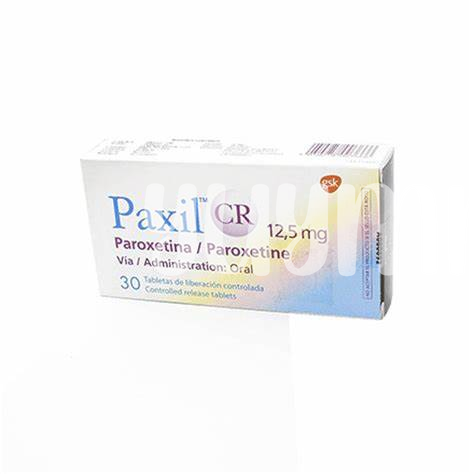
I remember a patient describing sudden waves of dizziness and anxiety after stopping paxil: her brain had adapted to steady serotonin changes and struggled when the medication was removed. Paroxetine tightly binds serotonin transporters, so abrupt cessation can leave neural circuits scrambling. This mismatch between chemistry and expectation produces the intense, often fluctuating sensations people report.
Clinically, withdrawal is a biological rewind—receptors and transporters recalibrate at different rates, causing emotional and physical symptoms that can persist weeks or months. Slow tapering and medical support give the nervous system time to rebalance, but knowing the mechanism helps validate experiences and guide safer discontinuation plans with a prescriber. Small lifestyle adjustments can also ease the daily transition.
Emotional and Physical Withdrawal: What to Expect
On the first days off paxil, many people describe sudden electric sensations, lightheadedness, and a foggy mind. Sleep shifts, irritability, and unexpected tears can arrive without warning, making familiar routines feel fragile as your nervous system readjusts over several weeks.
Emotional symptoms range from heightened anxiety and mood swings to low mood; physical effects can include nausea, tremor, sweating and flu-like aches. Severity varies; dose, treatment length, and individual biology influence how long and how intense symptoms become for some.
Most people improve with a careful taper, but clinician guidance is crucial. Track symptoms, prioritize sleep and nutrition, use support networks, and contact your provider immediately if sensations worsen or suicidal thoughts emerge for safety.
Safe Tapering Strategies: Working with Your Doctor
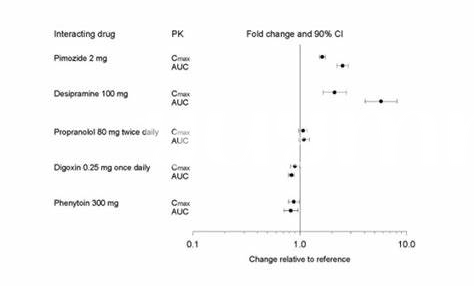
When I told my doctor I wanted to stop paxil, she drew a plan: small, steady reductions, regular check-ins and a promise to pause if withdrawal hit hard. That captures the core — tapering is not a race but a planned process. Each step should be tailored to your history, dose and sensitivity; many people benefit from micro‑tapers or a temporary switch to a longer‑acting SSRI.
Practical steps include scheduling frequent appointments, tracking symptoms in a journal, updating your medication list, and asking a pharmacist about compounded lower doses or liquid forms to enable flexible reductions. Expect to adjust the timeline—some need weeks, others months—to minimize dizziness, insomnia or mood swings. Never stop abruptly; stay in close contact with your prescriber, bring a support person to appointments if helpful, and prioritize sleep, hydration and gentle routines while the brain recalibrates.
Managing Symptoms: Practical Tools for Daily Coping
On tough mornings I remind myself small actions matter: paced breathing, steady meals, and short walks. When tapering from paxil these anchors calm nerves and reduce dizziness during unpredictable shifts.
Routine helps too: set sleep cues, limit screens, and sip water often. Grounding exercises—5‑4‑3‑2‑1—anchor the mind, while notes track triggers and progress for discussions with your clinician and supportive networks.
Reach out when symptoms spike; brief check-ins ease isolation, and gradual activity boosts resilience. Keep medication records, emergency contacts, and a plan agreed with your doctor to navigate hard days.
| Tool | Benefit |
|---|---|
| Breathing | Calms anxiety |
| Journaling | Identifies triggers |
When to Seek Urgent Help during Withdrawal
A spike in hopelessness, new or worsening suicidal thoughts, severe confusion, or agitation are red flags that need immediate attention. Likewise, physical crises — fainting, chest pain, dangerously high fever, repeated vomiting, or a seizure — demand emergency care. If you notice signs of serotonin syndrome (rapid heart rate, tremor, high temperature, stiff muscles) call emergency services immediately.
Even if symptoms feel less dramatic, seek medical advice for persistent inability to eat or drink, fainting spells, or symptoms that rapidly worsen over a day or two. Bring a list of medications, your tapering schedule, and any recent doses when you call; this helps clinicians assess risk and choose whether urgent evaluation or hospitalization is necessary. https://www.nhs.uk/medicines/paroxetine/ https://medlineplus.gov/druginfo/meds/a699001.html